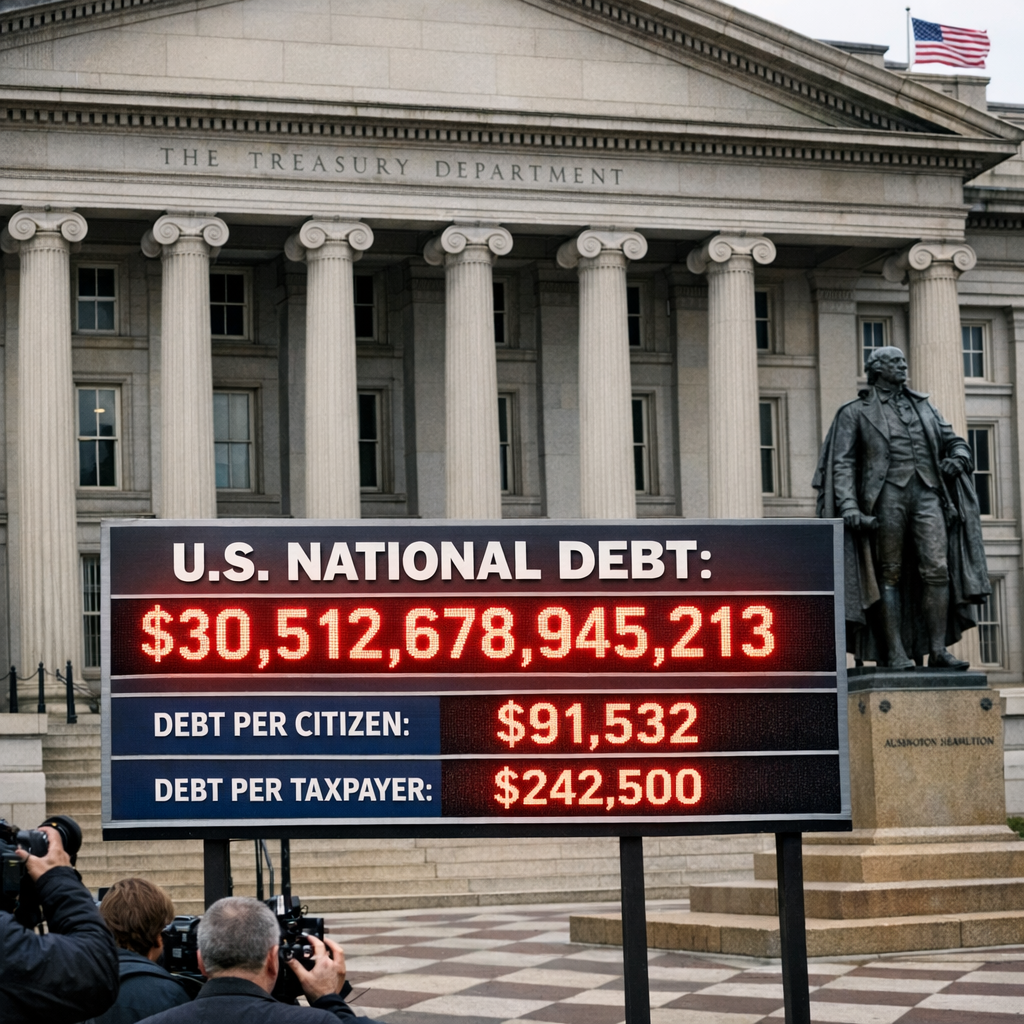
The United States’ national debt has been a topic of increasing concern among economists and policymakers. As of early 2026, the debt has surpassed $38 trillion, prompting discussions about its potential impact on the economy.
Current State of the National Debt
In January 2026, BlackRock CEO Larry Fink highlighted the rapid growth of the U.S. national debt, emphasizing that markets might be underestimating the risks associated with such high levels of borrowing. He pointed out that rising debt elevates interest costs, threatens investor confidence, and could lead to rapid shifts in borrowing costs.
Economic Implications
The increasing national debt has several potential consequences:
- Interest Costs: As the debt grows, the cost of servicing it rises, potentially diverting funds from other critical areas such as infrastructure and education.
- Investor Confidence: A ballooning debt may erode confidence among investors, both domestic and international, leading to higher borrowing costs and reduced investment in the U.S. economy.
- Inflationary Pressures: While inflation has remained relatively contained, sustained high levels of debt could contribute to inflationary pressures, affecting the purchasing power of consumers.
Local Perspective
For residents of Inver Grove Heights, Minnesota, and the broader Twin Cities area, the national debt’s implications are multifaceted. Potential increases in interest rates could affect mortgage rates, making homeownership more expensive. Additionally, if federal spending is curtailed to address the debt, local programs and services that rely on federal funding might face budget constraints.
Looking Ahead
Addressing the national debt requires a balanced approach, combining fiscal responsibility with strategic investments to promote economic growth. As discussions continue at the national level, it’s essential for local communities to stay informed and engaged, understanding how federal fiscal policies may impact their daily lives.