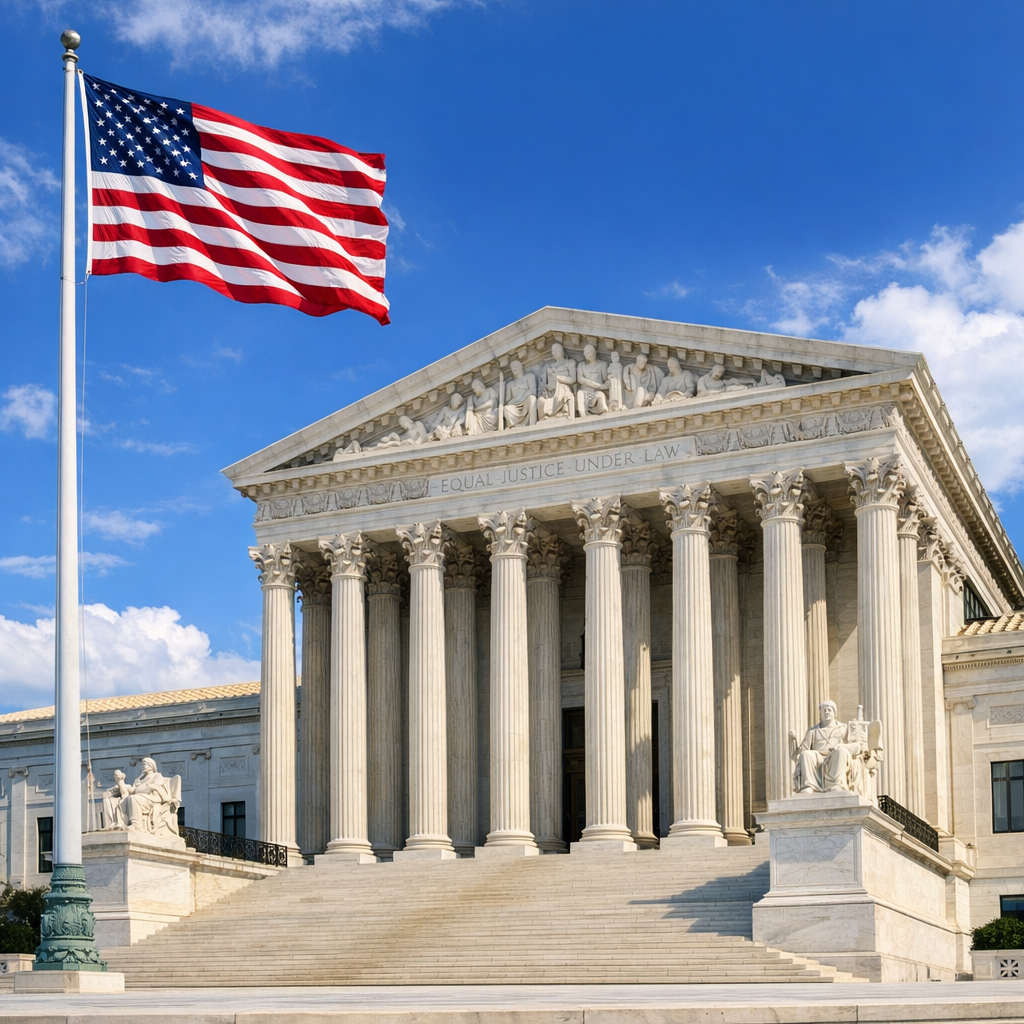
The Supreme Court has ruled that judges cannot review decisions to end Temporary Protected Status (TPS) for certain immigrant groups, including Haitians and Syrians. This decision effectively upholds the administration’s authority to terminate TPS designations without judicial oversight.
TPS is a program that allows individuals from countries experiencing armed conflict, natural disasters, or other extraordinary conditions to live and work in the United States temporarily. The termination of TPS for these groups could affect approximately 350,000 individuals who have been residing in the U.S. under this status.
Advocates for immigrants have expressed concern over the ruling, emphasizing the potential impact on families and communities. They argue that many TPS holders have established deep roots in the U.S., contributing to the economy and society. On the other hand, supporters of the decision assert that it reinforces the executive branch’s discretion in immigration matters and aligns with the administration’s broader immigration policies.
As the nation grapples with the implications of this ruling, it is essential to consider the human stories behind the statistics. Many TPS holders have lived in the U.S. for decades, raising families and building careers. The potential deportation of these individuals raises questions about the nation’s commitment to humanitarian principles and the balance between security and compassion in immigration policy.