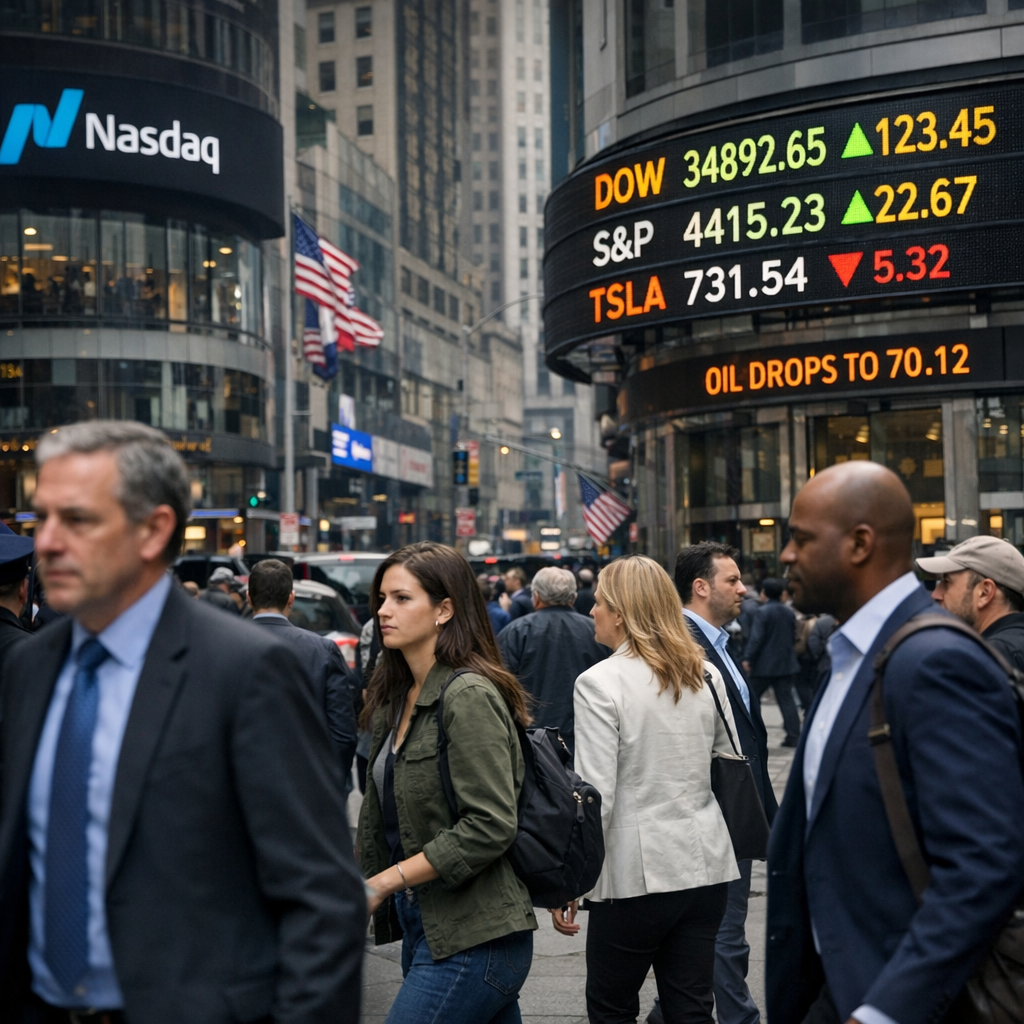
The U.S. economy is currently experiencing a period of steady expansion, though certain challenges persist. Recent data indicates that while the economy is growing, the pace has been slower than anticipated in recent quarters. The labor market continues to add jobs, yet long-term unemployment remains a concern. Inflation, although below its peak, remains stubbornly present.
Economic Growth and Employment
After a dip in the first quarter of 2025, the economy has resumed growth. However, the growth rates in the fourth quarter of 2025 and the first quarter of 2026 were lower than expected. The labor market has shown resilience, with job additions continuing, but the rise in long-term unemployment suggests underlying issues that need to be addressed.
Inflation and Federal Reserve Policies
Inflation rates have decreased from their previous highs but have not yet reached the Federal Reserve’s target levels. The Federal Reserve monitors various economic indicators, including the stock market, to make informed decisions regarding interest rates. Their goal is to balance economic growth with inflation control.
National Debt Concerns
The national debt has surpassed $38 trillion, raising concerns among financial leaders. BlackRock CEO Larry Fink has highlighted the potential risks associated with the ballooning debt, emphasizing that rising interest costs could crowd out other spending and lead to rapid shifts in borrowing costs. Fink suggests that sustained economic growth could help improve the debt-to-GDP ratio, mitigating some of these concerns.
Trade Policies and Tariffs
Trade policies continue to influence the economic landscape. The administration’s proposed tariffs, set to go into effect in July 2026, have introduced uncertainties in financial markets. The impacts of these tariffs on various sectors of the economy are being closely monitored.
Consumer Confidence and Spending
Consumer confidence has shown signs of improvement, partly due to lower gasoline prices offering some relief. However, concerns about inflation and the overall economic outlook continue to influence consumer behavior and spending patterns.
In summary, while the U.S. economy demonstrates resilience and growth, challenges such as managing national debt, controlling inflation, and navigating trade policies remain pivotal. Staying informed and adaptable is essential for individuals and businesses alike as they navigate this complex economic environment.