Inver Grove Heights, Minnesota, experiences a diverse climate characterized by distinct seasonal changes. Understanding these patterns is essential for residents and visitors alike.
Climate Overview
The city has a humid continental climate, leading to warm, wet summers and cold, snowy winters. Average temperatures range from lows of 10°F in January to highs of 83°F in July. Precipitation is fairly evenly distributed throughout the year, with June typically being the wettest month, averaging 3.74 inches of rainfall. Snowfall is common in winter months, with February often seeing the highest accumulation, averaging 5.91 inches.
Environmental Initiatives
Inver Grove Heights is proactive in addressing environmental concerns. The Environmental Advisory Commission (EAC), a nine-member citizen group appointed by the City Council, reviews various environmental issues, including land alteration permits and wetland replacement applications. The EAC also promotes public awareness and understanding of local environmental matters. Meetings are held as needed on the fourth Thursday of each month at 7 p.m. in the City Council Chambers.
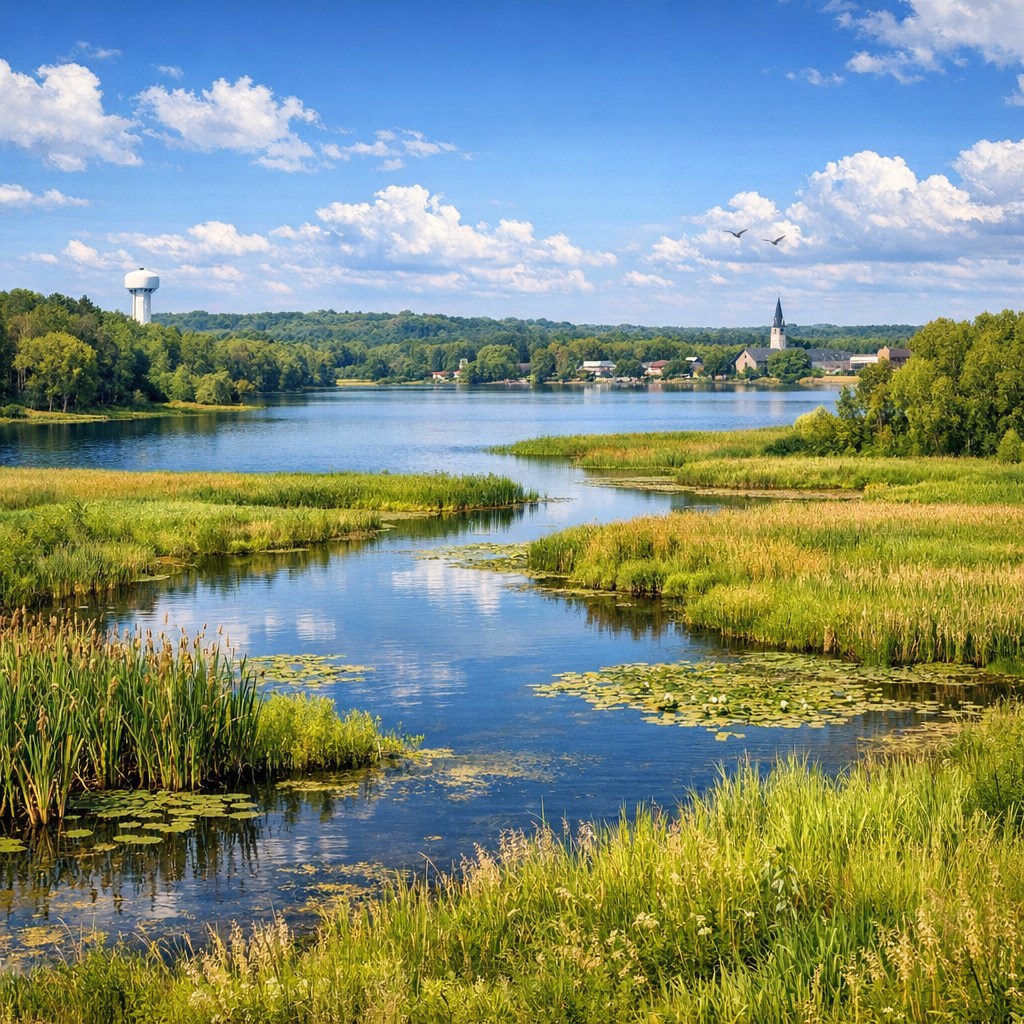
Water resource management is another focal point for the city. With over 630 lakes and wetlands and proximity to the Mississippi River, protecting these water bodies is crucial. Residents are encouraged to be mindful of stormwater runoff, as pollutants entering storm drains can directly affect local lakes and rivers. The city provides resources and guidelines to help individuals contribute to watershed protection.
Community Involvement
Residents are encouraged to participate in environmental initiatives by attending EAC meetings, staying informed about local environmental issues, and adopting practices that protect natural resources. Community involvement is vital for the success of these initiatives and the overall well-being of Inver Grove Heights.
By understanding the local climate and actively participating in environmental efforts, residents can contribute to a sustainable and thriving community.