The United States economy is currently experiencing a complex interplay of factors that are influencing both national and local economic conditions. Understanding these developments is crucial for communities like Inver Grove Heights, Minnesota, as they navigate the broader economic landscape.
Inflation and Cost of Living
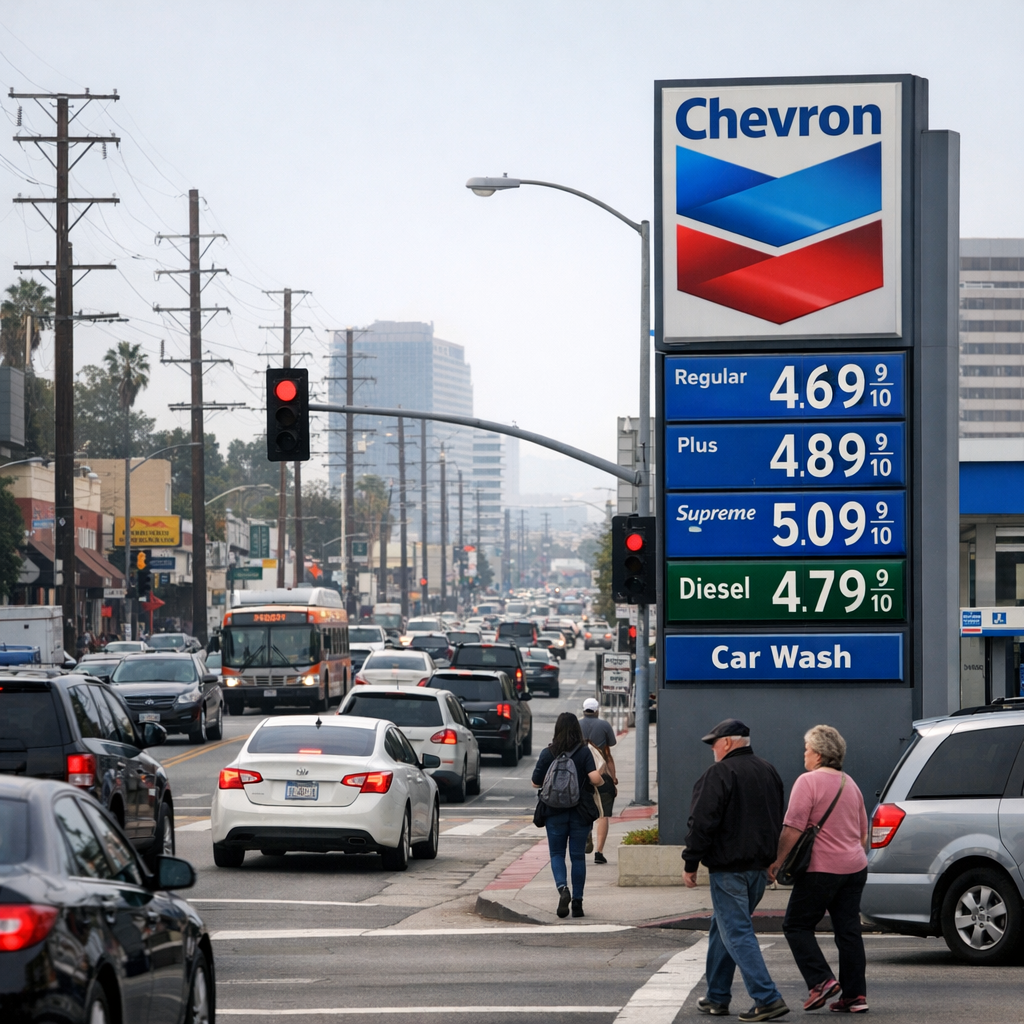
Inflation has been a persistent concern, with the Consumer Price Index (CPI) rising to 3.8% in April, marking its highest level in nearly three years. This uptick is largely attributed to increased energy costs, particularly gasoline prices, which have surpassed $4.50 per gallon nationally and exceeded $5 in several states. Such price hikes can strain household budgets, affecting spending patterns and overall economic well-being.
Trade Policies and Tariffs
Trade policies have also been in flux. The Trump administration’s efforts to implement sweeping tariffs have faced legal challenges, including a Supreme Court ruling that deemed certain tariffs illegal. Despite these setbacks, new tariffs are proposed to take effect in July 2026. These measures could impact various sectors, including agriculture and manufacturing, which are vital to many local economies.
Labor Market Dynamics
The labor market presents a mixed picture. While job creation continues, long-term unemployment rates are rising. Additionally, certain industries are experiencing labor shortages, particularly in urban areas. For instance, reports indicate that reduced immigrant labor supply could adversely affect urban economies, highlighting the need for comprehensive workforce strategies.
Local Implications
For residents of Inver Grove Heights, these national trends have tangible effects. Rising fuel prices can increase commuting costs, while potential tariffs may influence local businesses reliant on international trade. Staying informed about these developments enables individuals and businesses to make proactive decisions in response to the evolving economic environment.
In conclusion, the current U.S. economic landscape is shaped by a combination of inflationary pressures, shifting trade policies, and labor market challenges. By understanding these factors, communities can better prepare and adapt to the changing economic conditions.