Recent economic data presents a complex picture of the U.S. economy, with both positive developments and areas of concern.
Employment Trends
In May, the U.S. economy added 172,000 jobs, maintaining the unemployment rate at 4.3%. This suggests a strengthening labor market, even amid global uncertainties. However, certain sectors, such as manufacturing, have experienced job losses, indicating uneven growth across industries.
Inflation and Consumer Prices
Inflation has risen to 3.8%, the highest in three years. This increase is driven by higher energy costs and tariffs, leading to affordability challenges for many consumers. The Federal Reserve faces the delicate task of managing interest rates to control inflation without hindering economic growth.
Gross Domestic Product (GDP) Growth
The first quarter of 2026 saw a GDP growth rate of 1.6%, an improvement from late 2025. While this indicates some economic resilience, the modest growth rate, coupled with rising inflation, has raised concerns about potential stagflation—a scenario of stagnant growth and high inflation.
Stock Market Performance
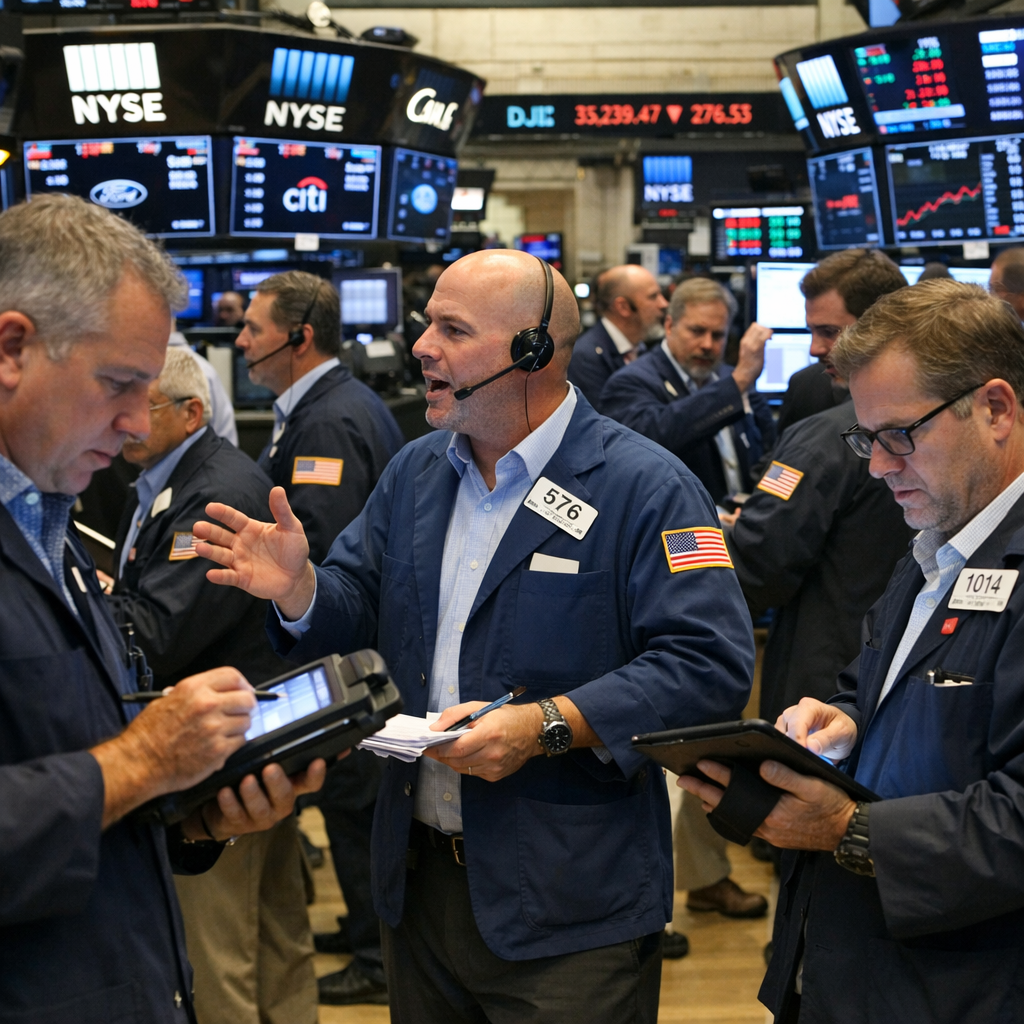
Despite economic challenges, Wall Street has reached record highs, driven by strong performance in the technology sector and enthusiasm for artificial intelligence advancements. However, investors remain cautious due to ongoing geopolitical tensions and inflationary pressures.
Implications for Consumers and Businesses
For consumers, rising prices may necessitate budget adjustments, particularly in energy and essential goods. Businesses must navigate increased operational costs and potential shifts in consumer spending patterns. Staying informed and adaptable is crucial in this evolving economic environment.
In summary, while the U.S. economy shows signs of growth, challenges such as rising inflation and sector-specific job losses require careful monitoring and strategic responses from both policymakers and the public.