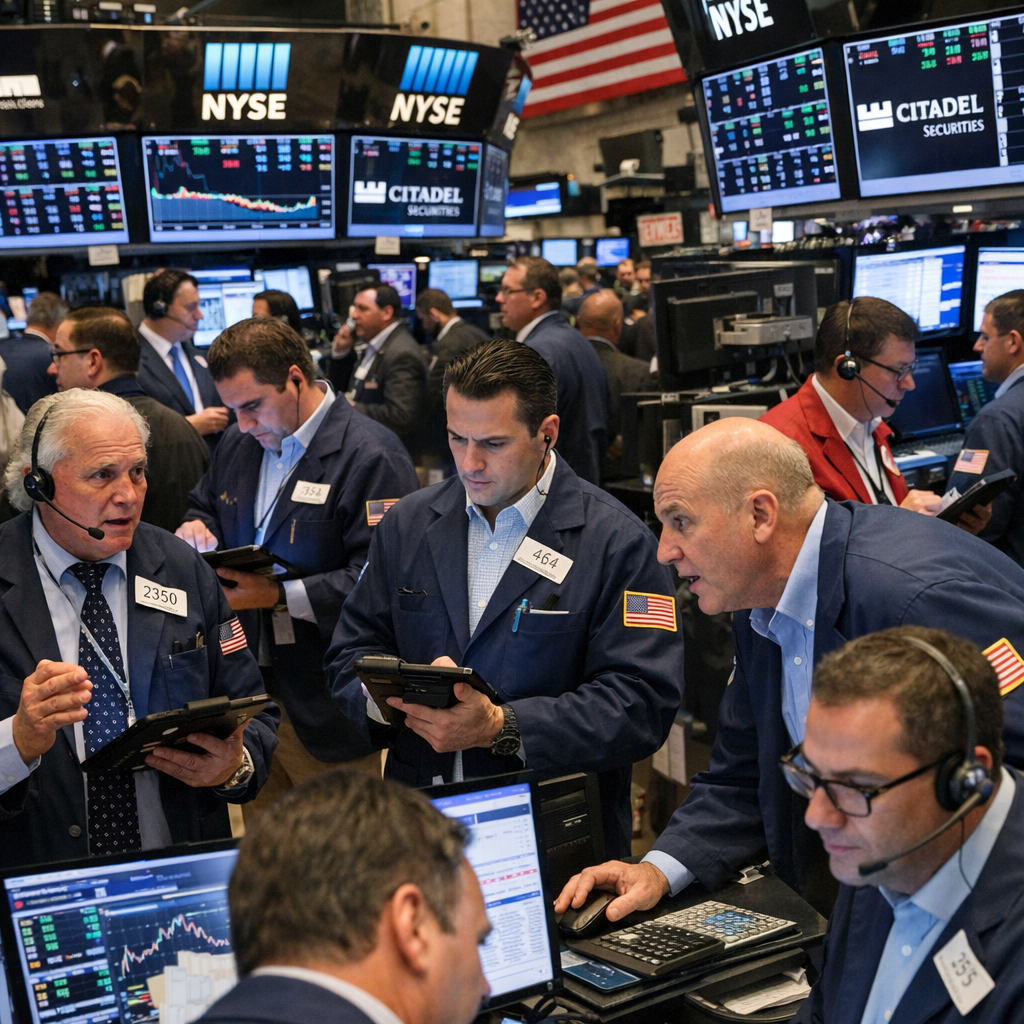
The United States economy is currently experiencing a period of mixed signals, with various indicators reflecting both challenges and resilience. Understanding these trends is crucial for individuals and businesses alike.
Gross Domestic Product (GDP) Growth
Recent data indicates that the U.S. economy has faced fluctuations in growth. For instance, in the first quarter of 2025, the economy contracted by 0.3%, marking the first decline in three years. This downturn was largely attributed to disruptions in trade policies and a surge in imports ahead of anticipated tariffs. However, subsequent quarters have shown signs of recovery, with modest growth resuming as businesses and consumers adapt to the evolving economic environment.
Inflation Trends
Inflation has been a focal point for policymakers and consumers. After a period of acceleration, inflation rates have shown signs of stabilization. In February 2025, the consumer price index increased by 2.8% compared to the previous year, a slight decrease from the 3% rise observed in January. Core inflation, which excludes volatile food and energy prices, also saw a decline to 3.1% from 3.3% in the same period. These trends suggest a potential easing of inflationary pressures, though ongoing trade policies may continue to influence price levels.
Employment and Labor Market
The labor market has exhibited signs of cooling. Recent reports indicate a slowdown in job creation, with sectors such as manufacturing experiencing job losses. For example, from April to August 2025, the manufacturing sector shed approximately 37,000 jobs, reflecting the impact of trade disruptions and shifting global demand. Despite these challenges, the overall unemployment rate remains relatively stable, suggesting underlying strength in other areas of the economy.
Trade Policies and Tariffs
Trade policies have played a significant role in shaping the current economic landscape. The implementation of tariffs on various imports has led to increased costs for businesses and consumers. While intended to protect domestic industries, these measures have also introduced uncertainties and contributed to fluctuations in economic indicators. Ongoing negotiations and policy adjustments continue to influence market dynamics and investor confidence.
Looking Ahead
As the U.S. economy navigates these complex factors, staying informed about policy changes and economic indicators is essential. Businesses and consumers should remain adaptable, considering both the challenges and opportunities that arise in this evolving economic environment.