The United States economy is currently experiencing a period of significant fluctuation, influenced by various domestic and international factors. Understanding these developments is crucial for individuals and businesses alike.
Inflation and Consumer Prices
Inflation rates have seen a notable increase, with April’s figures reaching 3.8%, the highest in three years. This uptick is largely attributed to rising energy costs and supply chain disruptions. Consumers are feeling the pinch as the cost of living escalates, affecting purchasing power and savings.
Gasoline Prices on the Rise
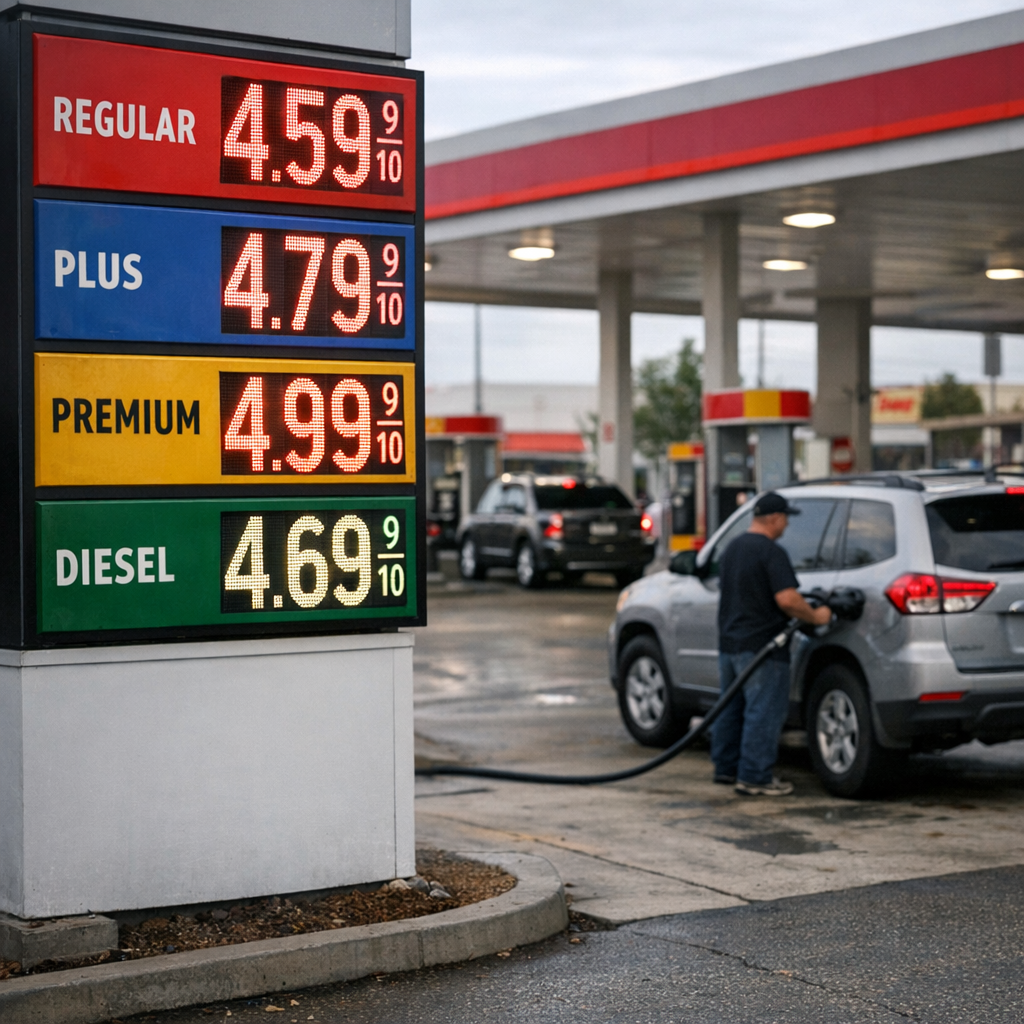
Gas prices have surged, with the national average exceeding $4.50 per gallon. Some states are witnessing prices above $5. This increase is primarily due to geopolitical tensions affecting global oil supply chains, leading to higher costs at the pump for American drivers.
International Conflicts and Economic Impact
Recent military engagements, particularly in the Middle East, have had a ripple effect on the U.S. economy. The closure of critical shipping routes has disrupted trade, contributing to supply shortages and increased prices for various goods.
Public Sentiment and Economic Outlook
Public confidence in the economy is waning. A recent poll indicates that 70% of Americans feel “angry” or “frustrated” about the current economic situation. This sentiment reflects concerns over inflation, employment stability, and the overall direction of economic policies.
Looking Ahead
As the nation approaches the midterm elections, economic issues are at the forefront of voters’ minds. Policymakers are under pressure to address these challenges through fiscal measures and policy adjustments aimed at stabilizing the economy and restoring public confidence.
Staying informed about these developments is essential for making sound financial decisions in an ever-changing economic environment.