The U.S. economy is currently experiencing a series of complex developments that are impacting consumers and businesses alike. Understanding these trends is crucial for making informed decisions in today’s economic climate.
Job Market Fluctuations
Recent data indicates a downturn in employment figures. February saw a loss of 92,000 jobs, with previous months’ figures also being revised downward. This trend suggests a cooling labor market, raising concerns about future employment opportunities and economic stability.
Rising Gas Prices
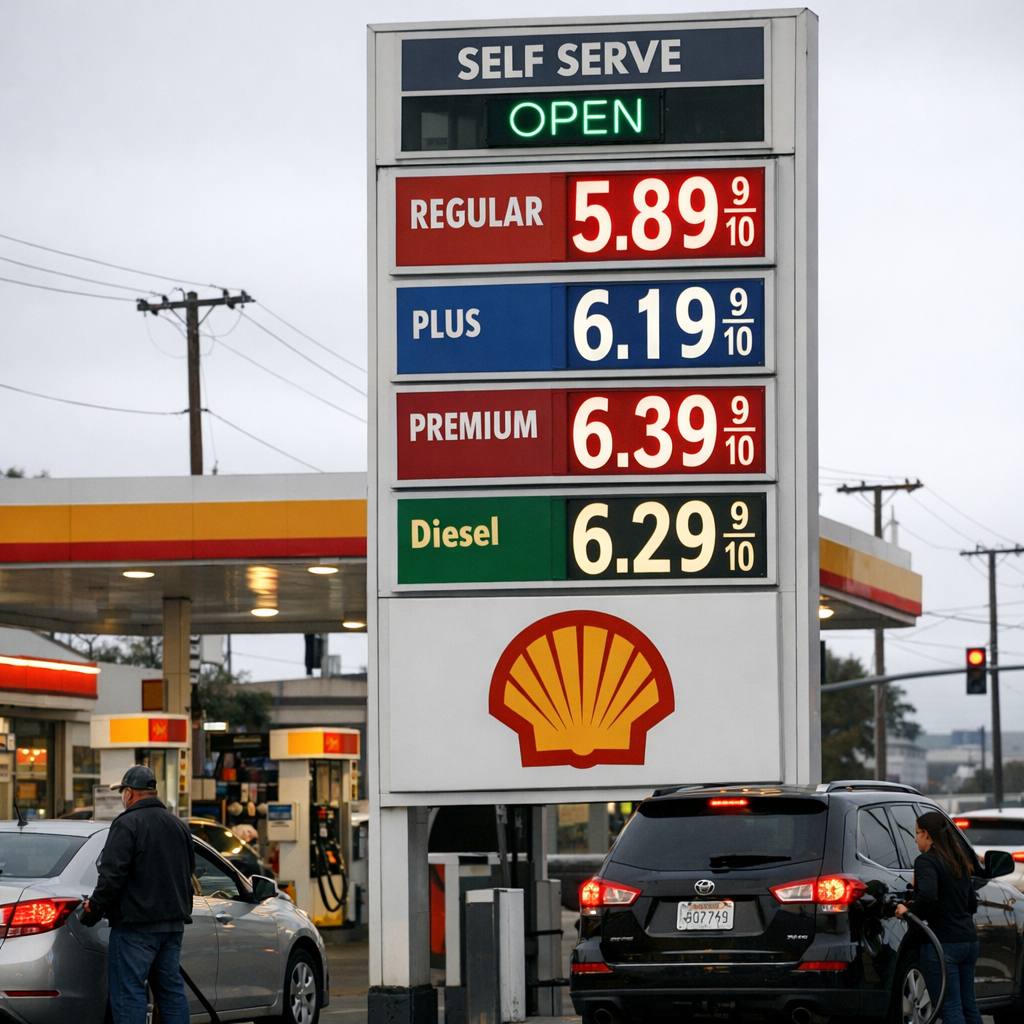
Gasoline prices have surged significantly, with the national average exceeding $4.50 per gallon. In some states, prices have even surpassed $5.00 per gallon. This increase is largely attributed to geopolitical tensions affecting global oil supply chains, leading to higher costs for consumers at the pump.
Inflationary Pressures
Inflation has reached 3.8% in April, marking the highest rate in three years. This uptick is driven by escalating energy costs and supply chain disruptions. As a result, consumers are facing higher prices across various goods and services, impacting household budgets and spending habits.
Consumer Sentiment
Public confidence in the economy is waning. A recent poll revealed that 70% of Americans feel “angry” or “frustrated” with the current economic situation. This sentiment reflects growing concerns over financial security and the direction of economic policies.
Looking Ahead
As the nation navigates these economic challenges, it’s essential for policymakers and citizens to stay informed and proactive. Monitoring economic indicators and understanding their implications can help in making strategic decisions to mitigate the impact of these trends.